If you’re craving space to breathe, nights under real stars, and a close-knit rhythm of life, King and Queen County might be your match. You want room to garden, hunt, or simply sit on a porch without traffic noise, but you still need practical details about taxes, schools, broadband, and river access. In this guide, you’ll get a clear look at homes and acreage options, small-town services, outdoor recreation, and the tradeoffs that come with rural living. Let’s dive in.
King and Queen at a glance
King and Queen County sits on Virginia’s Middle Peninsula with a long, rural footprint and a courthouse community as its seat. It’s small in population and low in density, so you see more forests and farmland than suburbs. The county’s population is about 6,700, the owner-occupied rate is roughly 77 percent, and the mean commute time is 36.3 minutes, which reflects the common drive to nearby job centers. You can explore these baseline figures in the county’s Census QuickFacts profile.
Homes and land: what to expect
Acreage and parcel sizes
You’ll find a wide mix of property sizes. Some listings are small rural lots or older farmhouses on a few acres. Others are hobby-farm parcels, timber tracts, or working farmland that stretch to tens or even hundreds of acres. The county’s subdivision rules outline one- and two-lot splits, family divisions, and larger subdivisions, so it pays to confirm your plan with Planning & Zoning early.
Common housing types
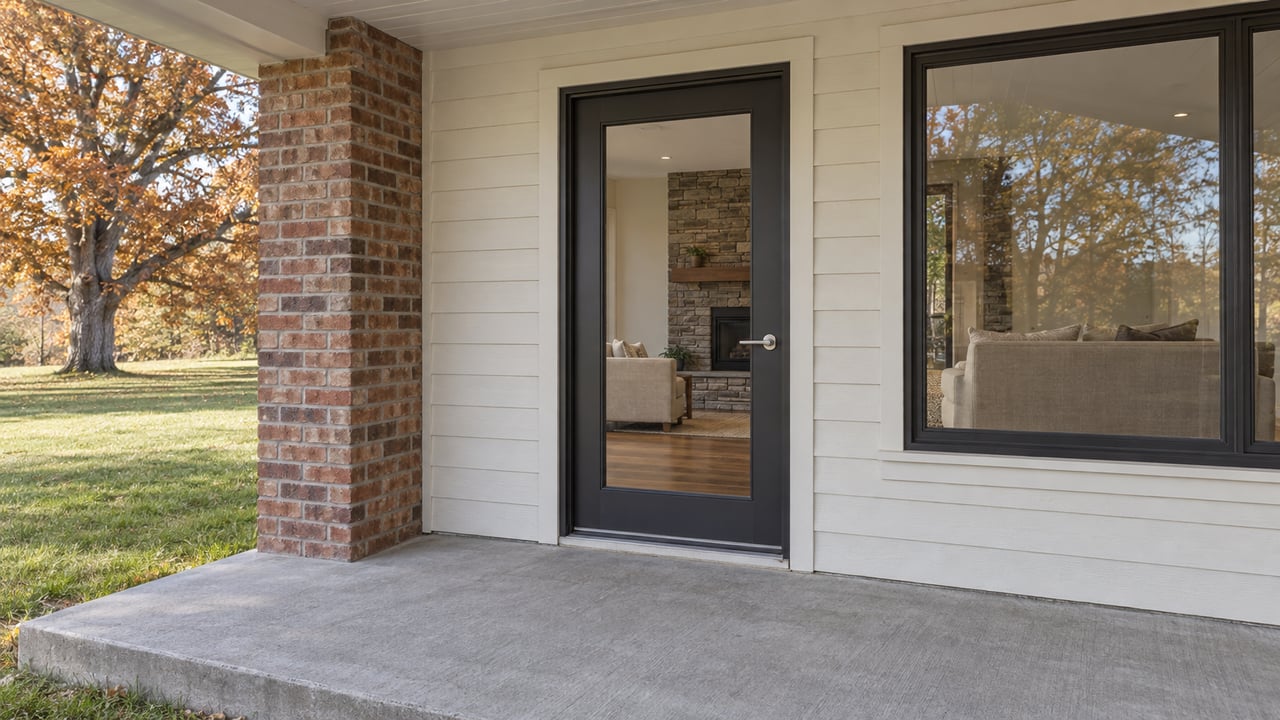
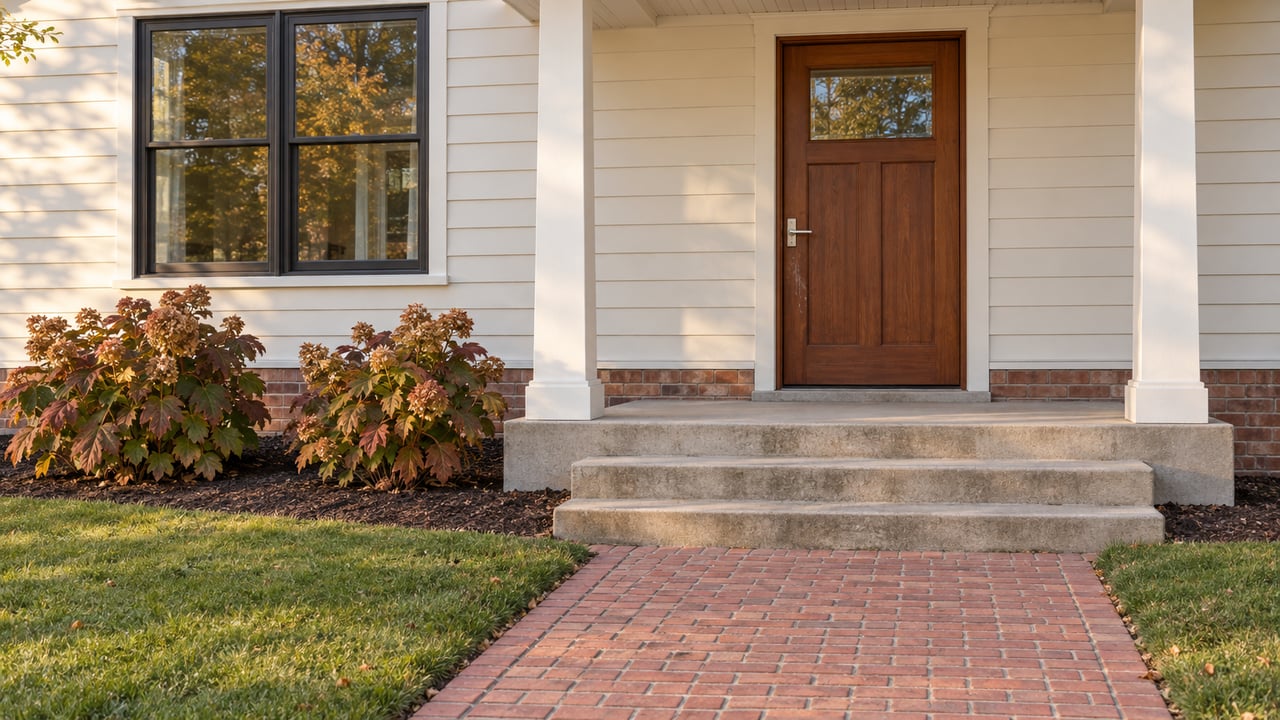
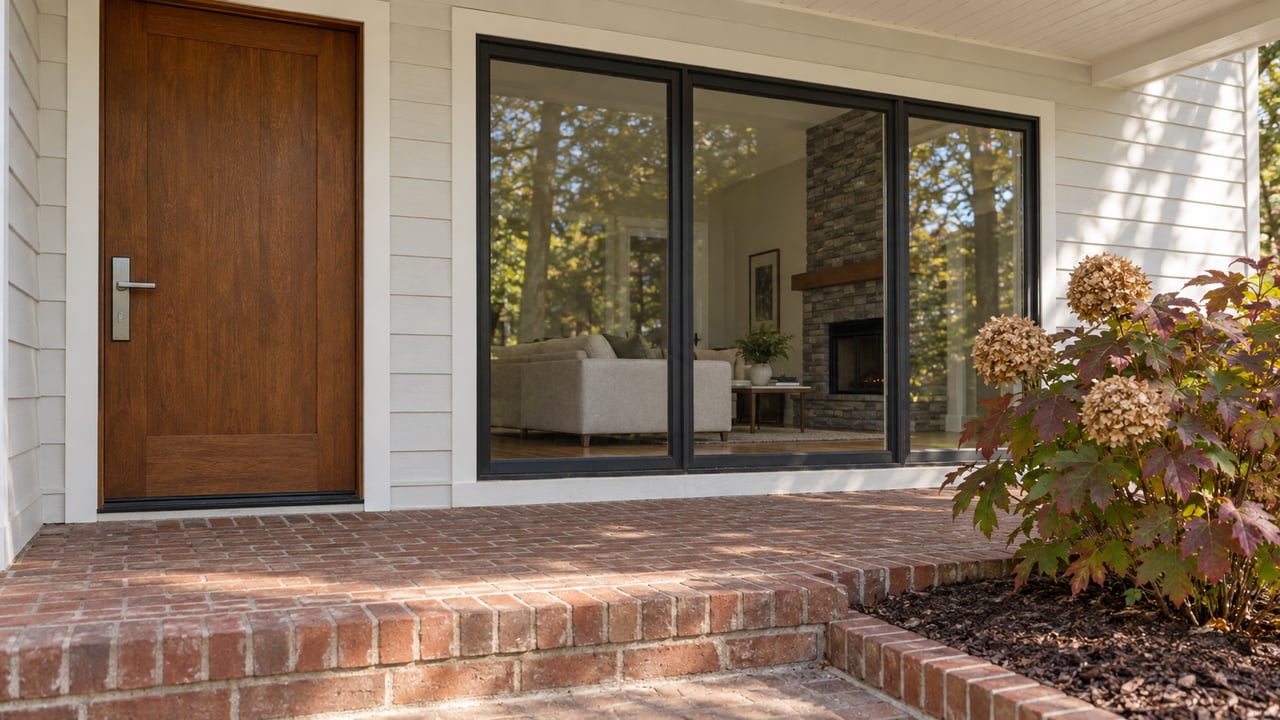
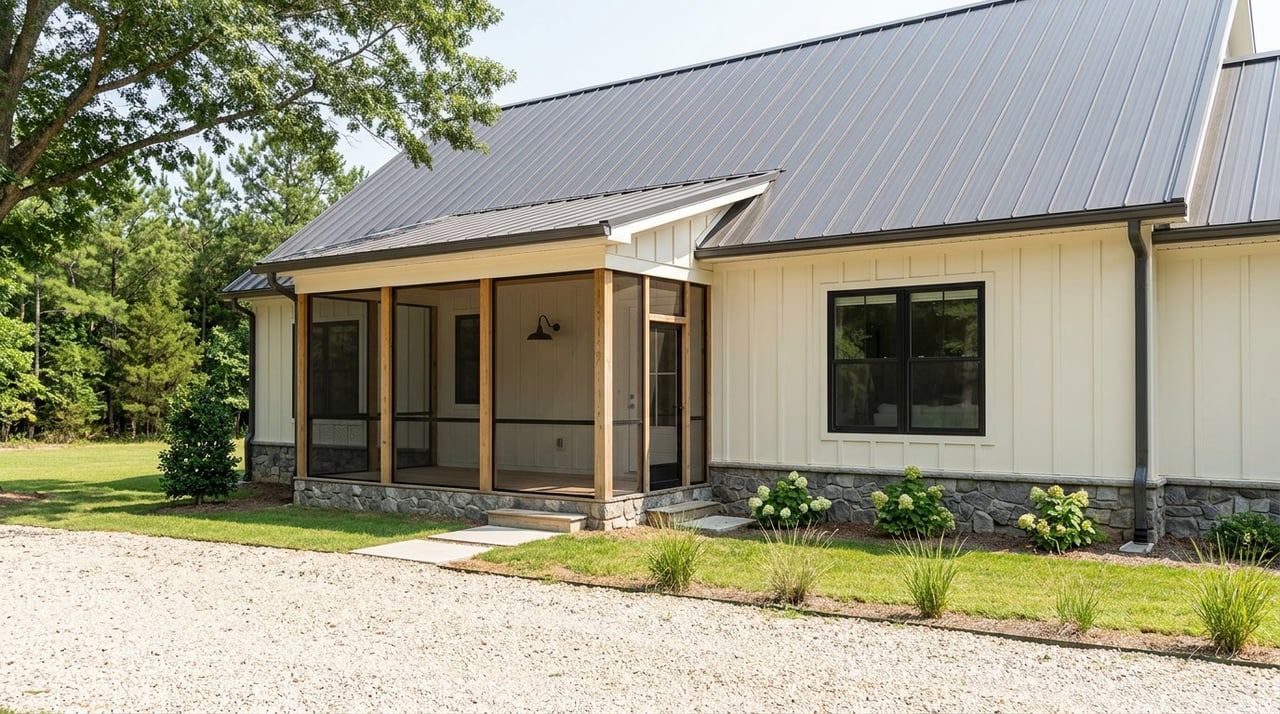
Expect classic wood-frame farmhouses, modest single-family homes, and manufactured homes in certain areas. Vacant land and wooded lots are also common if you want to build later or use the land for recreation or timber. Construction and renovation potential varies by site, so look closely at soils, access, and any floodplain or Chesapeake Bay RPA considerations before you commit.
Price context and pace
Census data shows a lower baseline median value for owner-occupied homes, around $241,000, with a high share of owner occupants. Recent market snapshots often land in the low-to-mid $200Ks to $300Ks, and month-to-month numbers can swing with small sample sizes. Treat any single data point as a guide, not a guarantee, and use fresh MLS comps when you’re ready to write an offer. A local agent can ground-truth pricing on a specific road or river bend.
Taxes, permits, and on-site systems
The county’s current published real estate tax rate is $0.52 per $100 of assessed value. Always verify the latest rate on the Treasurer’s tax page. In rural settings, plan for well and septic systems and be prepared for extra reviews if your property touches floodplain or Chesapeake Bay RPA areas. Start with the forms and fee schedule at Planning & Zoning to understand timelines and requirements.
Utilities and broadband
Broadband has improved significantly thanks to a countywide fiber-to-the-home rollout with RiverStreet Networks. This upgrade supports remote work, telehealth, and streaming for many addresses, but availability can still vary on the most remote roads. Before you buy, confirm serviceability for the exact address with RiverStreet Networks.
Small-town services and community
County offices and first calls
In a rural county, your first calls often go to the courthouse complex and county offices. The county directory lists departments like Planning & Zoning, public safety, and more, which is helpful when you’re verifying permits or setting up services. Bookmark the King and Queen County directory for quick reference.
Library and local history
The King & Queen branch library in the St. Stephen’s Church area offers computers, meeting rooms, and programs that bring neighbors together. History buffs can plug into county heritage at the Courthouse Tavern Museum, which hosts events and exhibits. Learn more about hours and offerings on the library page.
Schools at a glance
King and Queen County operates a small PK–12 system with two elementary schools and Central High. Enrollment and student-teacher ratios are published by the district and the state, so you can review the latest data before you move. Start with King and Queen County Public Schools for calendars, contacts, and links to performance profiles.
Health care and shopping
You’ll find some local outpatient and therapy services, but many residents travel to regional hubs for specialty medical care and full hospital access. Day-to-day dining and shopping options inside the county are limited, with a few local diners and markets covering basics. For a broader selection, plan periodic trips to neighboring towns. Regional guides, like Birding Virginia’s King and Queen overview, reflect the county’s quiet, rural character.
Outdoor life: rivers, woods, and wildlife
Rivers and wildlands
Water shapes daily life here. The Mattaponi River and the Dragon Run swamp-tributary system thread through the county, creating rich habitat for paddling, birding, and quiet exploring. Large tracts of bottomland forest and wetlands support a wide range of wildlife. For a nature-focused snapshot, see the county page on Birding Virginia.
Fishing and boat access
The Virginia Department of Wildlife Resources operates the King & Queen Fish Cultural Station, a popular stop for birdwatching and seasonal public events. DWR also maintains public boat access points and posts rules for river use, so check site conditions and ramp details before you tow. Explore the hatchery and visitor info on the DWR Fish Cultural Station page.
Hunting basics and permissions
Hunting is part of the lifestyle for many residents and landowners. If you buy land, you can typically hunt your own property as long as there are no deed restrictions or conservation easements that limit use. Public hunting in the region follows DWR licensing, seasons, and quota-draw rules on select tracts. Review current opportunities and regulations on DWR’s quota hunts page, and always get landowner permission before entering private property.
Who thrives here
You’ll likely enjoy King and Queen County if you value privacy, land, and a slower pace. Retirees and remote workers appreciate the quiet and the improved fiber internet. Hobby farmers and timber or recreational parcel buyers like the mix of open fields and woodlots. Households that do not mind driving for major grocery runs or medical specialties tend to settle in comfortably.
Tradeoffs to weigh
- More land and privacy, fewer big-box stores nearby.
- Abundant wildlife and recreation, but many access points are small and rustic.
- Lower density and traffic, longer drives for work or services.
- Simpler, neighborly culture, and a need to manage on-site systems like wells and septic.
Property checklist for buyers
- Confirm fiber availability for the exact address with RiverStreet Networks.
- Check well and septic records, floodplain or Chesapeake Bay RPA, and any past permits with Planning & Zoning.
- Verify the current real estate tax rate and recent assessment via the county tax page.
- Map out public boating options and understand license rules using DWR resources like the Fish Cultural Station page, and review hunting rules on quota hunts.
- Confirm school assignments and review current district data through KQPS.
How BERB helps you move with confidence
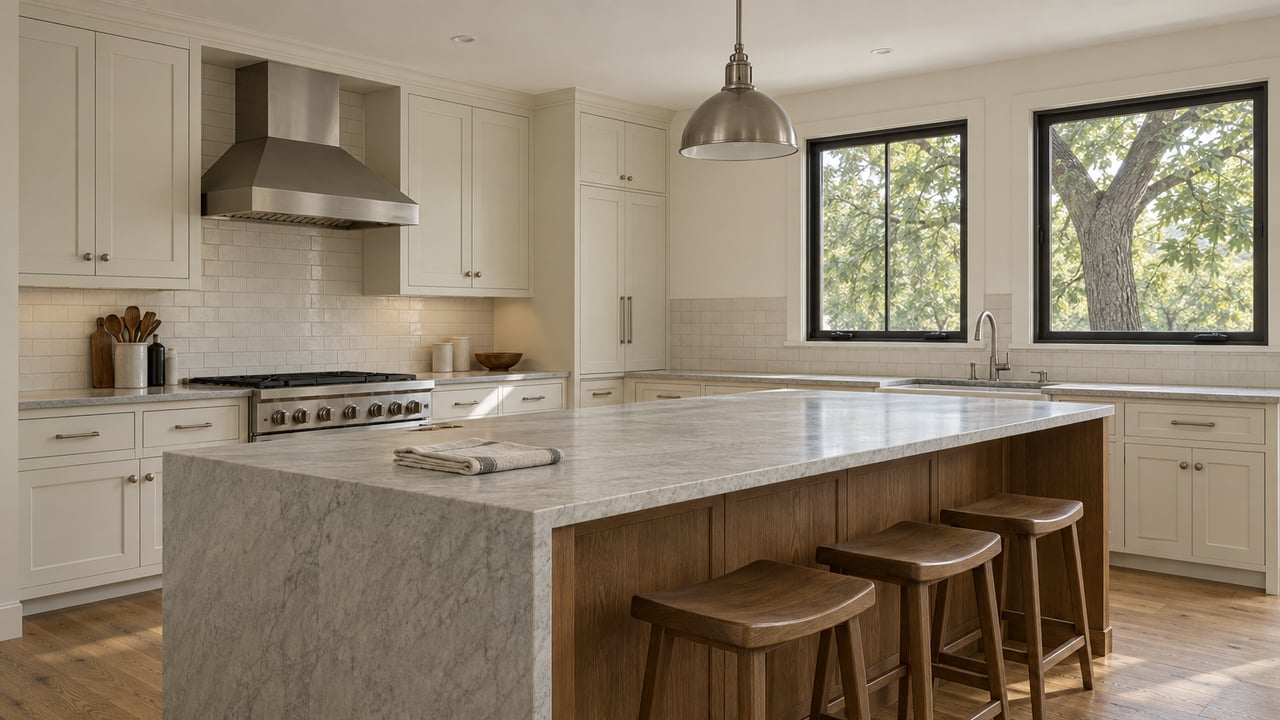
Buying or selling in a rural county takes local know-how and practical problem-solving. At BERB Real Estate Partners, you get both agent experience and construction insight. We help you evaluate soils and access, read surveys, estimate well and septic needs, and weigh renovation or new-build options so you avoid surprises. Whether you’re listing a farmhouse, hunting for a timber tract, or building your next home, we’ll give you straight answers and responsive service from first call to closing.
Ready to explore country living in King and Queen County? Reach out to David Berberich for a no-pressure consultation.
FAQs
What is the overall cost picture in King and Queen County?
- The county’s published real estate tax rate is $0.52 per $100 of assessed value, and housing values trend below large metro levels; confirm your property’s assessment and current rates with the county.
Are internet speeds reliable enough for remote work?
- A countywide fiber project with RiverStreet Networks improved service for many addresses, but always verify availability at the exact location before you buy.
What types of properties are most common?
- You’ll see modest single-family homes, older farmhouses, manufactured homes in some areas, and a wide range of acreage tracts from small hobby parcels to large timber or farm holdings.
Can I hunt or fish on my property in King and Queen County?
- If you own the land and no easements or deed restrictions limit use, you can typically hunt there following state seasons and license rules; public hunting follows DWR regulations and quota draws.
How far is the commute for most residents?
- Census data shows a mean travel time of about 36.3 minutes, so many working households commute to jobs outside the county.
What should I check before buying raw land?
- Confirm fiber serviceability, well and septic feasibility, floodplain or Chesapeake Bay RPA status, access rights, and any permitting needs with county Planning & Zoning.
What small-town services anchor daily life?
- The county directory, local library branch, and the courthouse complex are common touchpoints; many residents travel to regional centers for full-service groceries and medical specialties.