Thinking about selling land in Louisa County? Rural acreage can attract strong interest here, but buyers do not look at land the same way they look at a house. They want answers about access, frontage, zoning, wells, septic, and what the property can realistically be used for. This guide will help you understand what shapes value, how to prepare your tract, and how to position it for the right buyer. Let’s dive in.
Why Louisa County Land Gets Attention
Louisa County is a largely rural county made up of 514 square miles that are predominantly farm and forest lands. The county’s long-range planning also emphasizes preserving rural character, open space, agriculture, forestry, and environmental stewardship while directing growth into designated growth areas.
That matters when you sell acreage. Buyers are often drawn to Louisa County because they want privacy, open land, and room for a homesite or recreational use. The county’s location also supports interest from people looking for land within reach of Richmond, Charlottesville, Fredericksburg, and the broader Washington area.
Lake Anna adds another layer of demand. Louisa County describes the lake as roughly 17 miles long with about 200 miles of shoreline, plus public access facilities, marinas, parks, and public fishing areas. The Virginia Department of Wildlife Resources identifies Lake Anna as a 9,600-acre impoundment used for boating and fishing, which can shape how nearby acreage is marketed.
What Drives Land Value in Louisa County
Selling rural acreage is rarely about price per acre alone. In Louisa County, value usually depends on what a buyer can legally and practically do with the land.
Access and Frontage Matter First
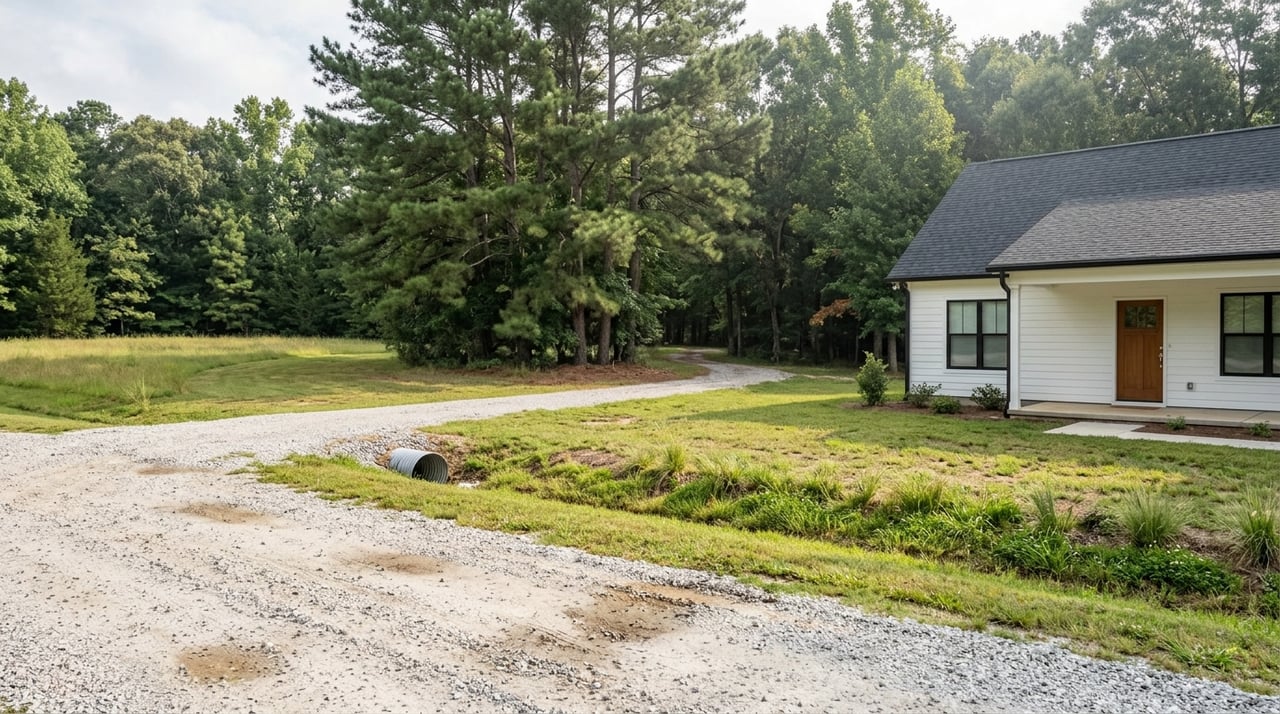
If a buyer cannot clearly access the property, the acreage becomes harder to finance, harder to market, and harder to use. In Virginia, VDOT says entrances to state-maintained highways must comply with access management rules and require permission through a land use permit.
VDOT also states that the property owner is responsible for grading and driveway installation from the edge of pavement to the right-of-way line for private entrances. That means driveway feasibility is not just a nice detail. It can directly affect buyer interest and cost expectations.
Frontage also matters under Louisa County zoning. In the Agricultural A-2 district, only two lots with a minimum of 200 feet of road frontage are allowed on existing state roads or federal highways per parent parcel, and otherwise the minimum frontage is 300 feet.
For you as a seller, this can shape whether your property is marketed as buildable land, a future homesite, or primarily recreational acreage. A tract with solid road frontage and clear legal access will usually tell a stronger story than one that leaves buyers guessing.
Buildability Depends on More Than Acreage
A large parcel is not automatically a buildable parcel. In Louisa County, zoning, legal access, and septic and well feasibility often determine whether a buyer sees real homesite potential.
The county requires health department approval for proposed lots in several residential situations, including lots served by individual water and sewage disposal systems. The Virginia Department of Health says applications for onsite sewage systems and private wells must be supported by work from a properly licensed private-sector consultant, and private well permits rely on a sanitary survey.
VDH also notes that it does not require a septic or well inspection during a real estate transfer. Still, it recommends septic inspection by a licensed professional, and lenders or local governments may require testing or inspections in some situations.
That is why records matter. If you can provide a survey or plat, access documents, well records, septic records, and any permits tied to alternative systems, you make it easier for buyers to understand what they are considering.
Zoning and Use Restrictions Shape Pricing
Louisa County’s A-2 district is designed for a compatible mixture of agricultural uses and limited residential development while retaining the rural open character of the countryside. The county also maintains its official zoning map in digital GIS form, which gives sellers and buyers a reliable starting point for parcel review.
You should also pay close attention to land use taxation. Louisa County states that land use is a tax deferral based on use value rather than fair market value. Qualifying agricultural or horticultural land generally needs at least 5 acres open, while forest land generally needs at least 20 acres.
A change in use, rezoning, or selling off enough land that the remainder no longer qualifies can trigger rollback taxes for the current year plus the previous five years. That can affect your net proceeds and a buyer’s future plans, so it is worth understanding before the property hits the market.
If your parcel is in an Agricultural and Forestal District, there may be added limits. Louisa County says these districts are designed to protect land from future development, and subdivision is limited to certain family or more intensive agricultural and forestry uses.
The key takeaway is simple: acreage alone does not set value. The parcel’s documented legal use, restrictions, and feasibility do.
Lake Anna Can Change the Buyer Story
Not every Louisa County tract is sold on the same pitch. If your land is near Lake Anna, buyers may focus less on farm use and more on recreation, weekend enjoyment, or future home construction.
Louisa County highlights Lake Anna’s public access, marinas, parks, fishing areas, watersports, restaurants, lodging, vineyards, golf, shopping, and hiking. That wider recreation profile can make nearby acreage appealing to second-home buyers, weekend users, or people who want a private retreat with access to lake amenities.
How to Prepare Rural Land Before Listing
Good land marketing starts long before photos go live. The more clearly you can document the property, the easier it is for buyers to picture the opportunity.
Start With Maps and Boundaries
Louisa County’s online GIS provides parcel information, and the county also offers floodplain maps and a water resources map. Before listing, confirm the parcel boundaries, tax map or GPIN, road frontage, access points, easements, streams, and any visible encroachments.
This first step helps prevent confusion later. It also gives you a cleaner foundation for pricing, marketing, and buyer conversations.
Gather Feasibility Documents Early
Rural buyers usually ask practical questions quickly. Can they get a driveway permit? Is there a likely well and septic path? Is there a prior soil study, well log, plat, or recorded easement?
Because VDH relies on permits, sanitary surveys, and licensed private-sector work for onsite sewage systems and private wells, it helps to gather every record you have before the property is listed. Even older documents can help frame next steps for a serious buyer.
Improve the Property’s First Impression
Raw land still benefits from presentation. Mowed access, marked entry points, visible corners, and clean approach photos can make a tract easier to understand.
This is especially helpful on larger or wooded parcels. Buyers often struggle to judge shape, access, and usable area if the property feels hard to enter or hard to read.
Price for the Best Documented Use
Louisa County reassesses real estate annually, so tax assessments should not be treated as a direct pricing formula. Current comparable sales usually matter more than an older assessment or a simple acreage multiplier.
In practice, the best pricing approach usually compares similar tracts based on acreage, road frontage, access, utility readiness, zoning, and any land-use or district restrictions. That is where local land experience can make a real difference.
Who Buys Acreage in Louisa County
Understanding the likely buyer helps shape the way your land is presented. The right marketing angle can bring in better-qualified interest and reduce wasted time.
Homesite Buyers
Some buyers want privacy, room to spread out, and a place to build a custom home. In Louisa County, these buyers will usually focus on access, road frontage, and whether the property appears feasible for private well and septic use.
Small Farm and Agricultural Buyers
Other buyers are looking for gardens, hay ground, orchards, livestock use, or a small working farm. Louisa’s land use program recognizes agricultural and horticultural tracts of 5 or more acres, which makes this a natural fit for some parcels.
Recreational Buyers
Wooded acreage can appeal to buyers interested in trails, hunting, privacy, or long-term hold value. Louisa County also recognizes forest and open-space uses in its land-use framework, and forest-use land generally needs at least 20 acres for land-use taxation.
Lake Anna and Second-Home Buyers
Near the lake, the buyer profile may shift. Recreation, weekend use, and future vacation-home potential can become the leading value drivers rather than strictly agricultural potential.
Long-Term Investors
Some buyers focus on future use, family division possibilities, or long-term appreciation. These buyers will pay close attention to frontage, easements, zoning, and whether the property is affected by Agricultural and Forestal District rules.
Common Mistakes Sellers Can Avoid
Acreage sales often slow down when key details are missing. The most common issues are unclear access, missing records, and pricing based on hope instead of documented use.
You can avoid a lot of friction by answering the obvious buyer questions up front:
- Where is the legal access?
- How much road frontage does the parcel have?
- Is there a survey or plat?
- Are there well or septic records?
- Is the land in land use?
- Is the parcel in an Agricultural and Forestal District?
- Are there any easements, floodplain areas, or known restrictions?
When you lead with clear information, buyers are more likely to take the property seriously. That usually creates a better showing experience and stronger negotiations.
Why Local Land Experience Matters
Selling rural acreage is not the same as selling a move-in-ready home. You need someone who can help you connect the dots between value, feasibility, and buyer expectations.
That is where practical, builder-informed guidance can help. From road access and homesite questions to pricing based on real use instead of rough guesswork, experienced land representation can help you present your property with more confidence.
If you are thinking about selling acreage in Louisa County, talking through the tract before it goes live can save time and reduce surprises. For straightforward advice on pricing, positioning, and preparing your land for market, reach out to David Berberich.
FAQs
How do you know if land in Louisa County is buildable?
- Buildability usually depends on zoning, legal access, and private well and septic feasibility under Louisa County, VDOT, and Virginia Department of Health requirements.
What does land use taxation mean for a Louisa County seller?
- Louisa County treats land use as a tax deferral based on use value, and a change in use or loss of qualification can trigger rollback taxes for the current year plus the previous five years.
What matters most when pricing rural acreage in Louisa County?
- The most important factors usually include legal access, road frontage, zoning, utility readiness, parcel restrictions, and the property’s best documented use rather than acreage alone.
Should you get a survey before selling land in Louisa County?
- A survey is not always required, but it is often one of the best ways to document boundaries, frontage, and easements for rural land.
Why does Lake Anna affect nearby land values in Louisa County?
- Lake Anna’s shoreline, boating, fishing, parks, marinas, and recreation amenities can make nearby acreage more appealing for weekend use, recreation, or a future homesite.
What documents help sell rural land in Louisa County?
- Helpful documents often include a survey or plat, deeded access or easement records, well records, septic records, and any permits or notices tied to onsite systems.