If you picture river life as crowded marinas and packed waterfront streets, King William County may surprise you. Here, the rivers shape daily life in a quieter way, with open land, detached homes, small community hubs, and easy access to the water. If you are thinking about buying, selling, or simply getting to know the area better, this guide will help you understand what life along the rivers in King William County really looks like. Let’s dive in.
Rivers Shape Daily Life
King William County is a rural county in Virginia’s Middle Peninsula, and its layout tells you a lot about the lifestyle. The county stretches for about 37 miles, with the Mattaponi River to the north and the Pamunkey River to the south. West Point sits where those rivers come together to form the York River, giving the county a strong connection to the water from end to end.
That setting creates a landscape that feels open rather than suburban. According to U.S. Census QuickFacts for King William County, the county’s 2024 population estimate is 19,232 spread across a large land area, which works out to about 65 people per square mile. In practical terms, that often means more space between homes, more natural scenery, and a slower pace of life.
The county also has deep cultural roots tied to the land and water. Virginia Tech’s county profile notes the presence of the Mattaponi and Pamunkey tribes and reservations as part of the area’s identity. That history remains an important part of how many people understand the county today.
Small Hubs, Rural Feel
One of the biggest differences between King William County and more built-up Richmond-area markets is that there is not one single downtown that organizes everything. Instead, daily life tends to center around a handful of communities and service nodes. The county’s planning documents show a focus on directing growth into places like Mangohick, Aylett, Manquin, and King William Courthouse while preserving rural character and natural features.
For you as a buyer or homeowner, that often means a balance of convenience and elbow room. You can still access local services, shopping, recreation, and community spaces, but you are doing it in a setting that remains spread out and land-focused. That pattern is a big part of the appeal for people who want more room without feeling totally disconnected.
West Point as Waterfront Hub
West Point is the county’s best-known waterfront center. Local tourism resources describe it as a confluence town with river views, a historic downtown shopping-and-dining district, and tree-lined streets with Victorian homes. If you want a part of the county with a stronger town feel while still staying closely tied to the water, West Point is often the place people look first.
Aylett as Mattaponi Corridor Center
Aylett plays a different role. According to the county, Aylett sits along the Mattaponi River corridor on U.S. 360 and serves as a more developed local node with small businesses, a post office, fire and EMS services, and a recreation center. For many residents, it functions as one of the county’s main everyday service areas.
Manquin and Mangohick
Manquin and Mangohick reflect the county’s more rural side. These communities are tied to local landmarks, tributaries, and the broader river-corridor pattern that defines the county. They help reinforce the idea that King William County is less about one major center and more about several connected places shaped by land and water.
Housing Along the Rivers
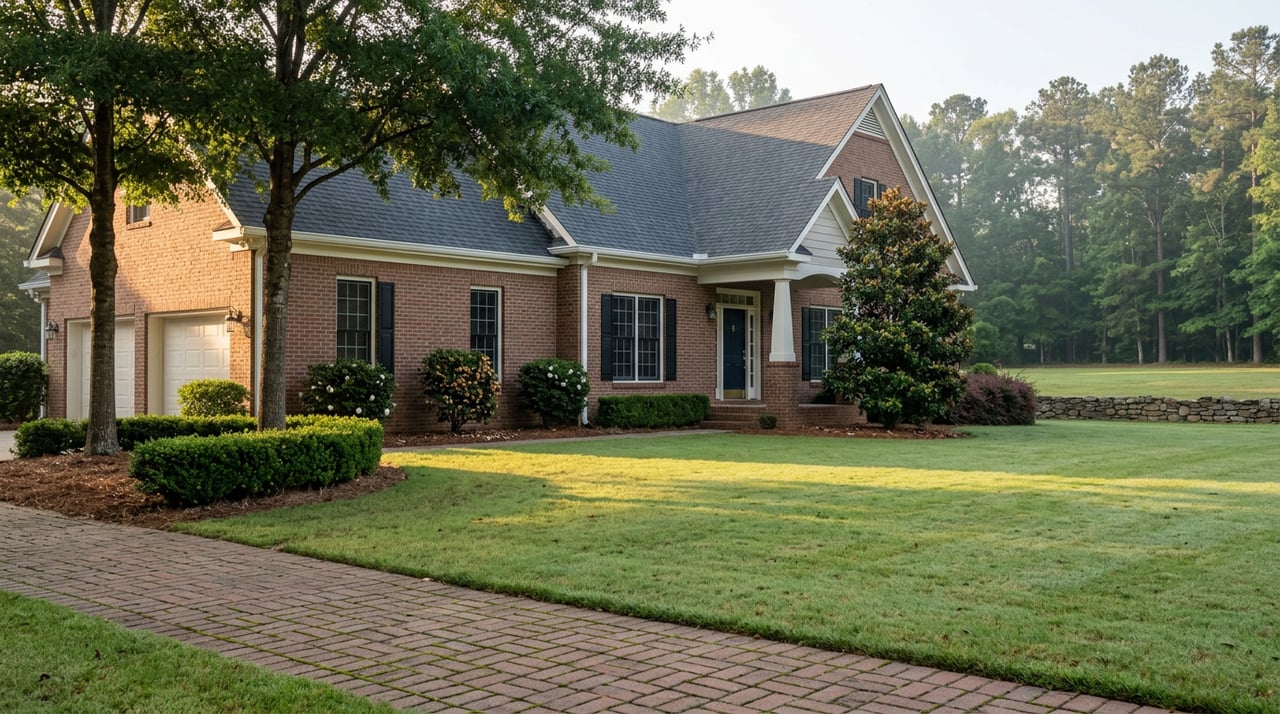
If you are searching for river-oriented living in King William County, the housing pattern matters. County planning data shows that the housing stock is overwhelmingly made up of detached homes, with 93% of homes classified as single-family detached and only 2% as multifamily. That lines up with what many buyers notice right away: this is generally a market of houses, yards, and lower-density living.
Ownership is also a major part of the county’s profile. The county’s demographic and market analysis found high owner-occupancy, and Census QuickFacts currently reports an owner-occupied housing rate of 88.9%, a median owner-occupied home value of $315,700, and a median gross rent of $1,166. Those numbers help frame the county as a place where many residents put down long-term roots.
For buyers, that often translates into a few clear expectations:
- Detached homes are the norm
- Larger lots are common compared with suburban markets
- Rural scenery is a major part of the value
- Inventory can feel more spread out by location and property type
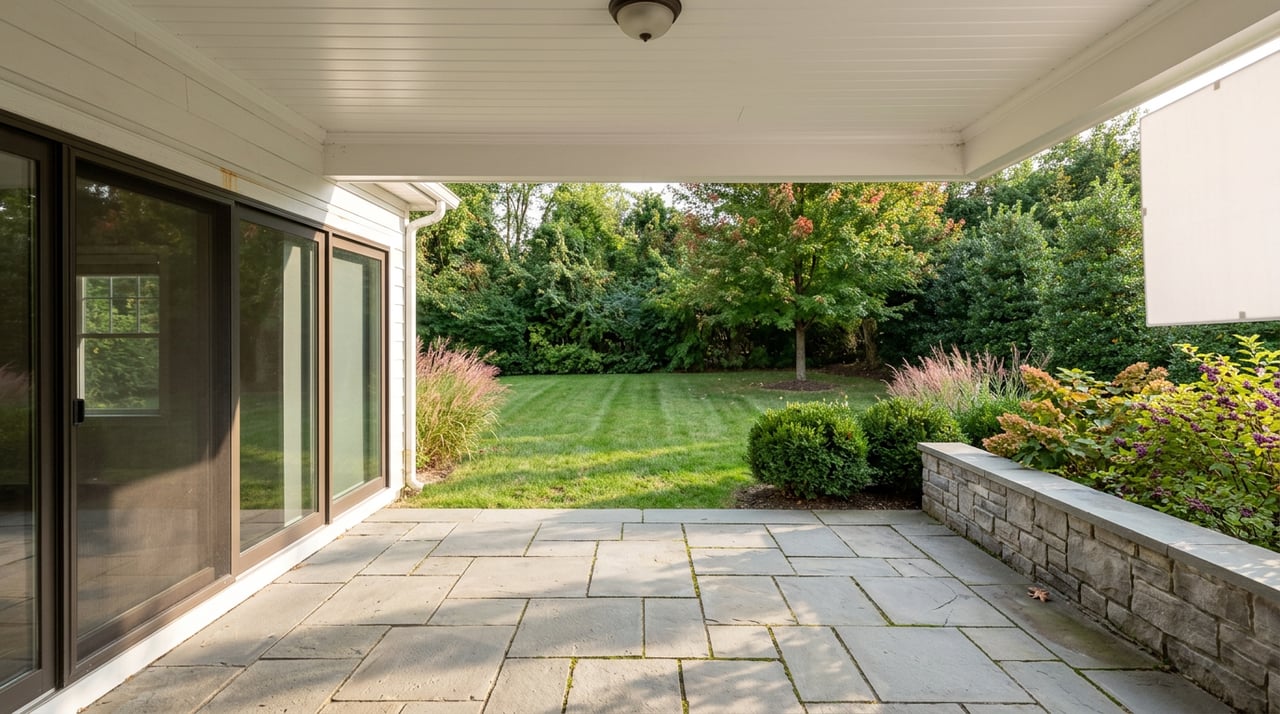
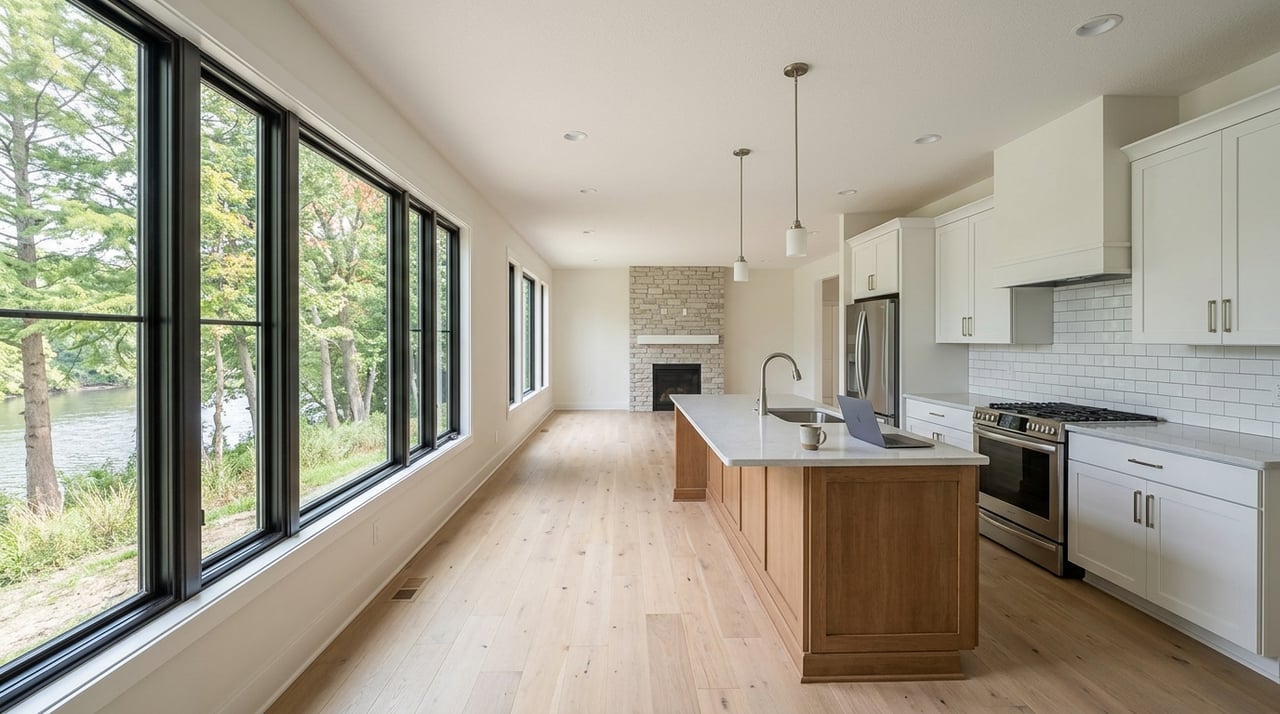
For sellers, it means your home is often competing based on land, setting, and lifestyle as much as square footage. In a market like this, the way a property connects to outdoor space, privacy, and river access can matter just as much as the interior finishes.
Rural Land Matters Here
King William County is not trying to become a dense suburban corridor. The county’s land use guidance emphasizes preserving agricultural and forest land, and county economic development materials describe the area as rolling farmlands, expansive timber lands, and sparkling rivers. The comprehensive plan also supports conserving rural and natural features while focusing growth in smaller communities.
That matters if you are considering a move here. River living in King William County often comes with a strong land component, whether that means a larger homesite, neighboring farm acreage, wooded surroundings, or a more open visual landscape. For buyers looking for breathing room, that can be a major advantage.
It also matters for sellers and landowners. Properties here may need to be positioned differently than homes in more uniform subdivisions. If a property includes acreage, unique topography, or a setting shaped by nearby waterways, practical local guidance can make a real difference in how that value is communicated.
River Access and Recreation
A big part of river life is simple: being able to enjoy the water. King William County has multiple public access points along the tidal Mattaponi, Pamunkey, and York Rivers, and Visit West Point & King William’s paddling guide highlights paddling, fishing, and wildlife viewing as part of the local experience. Virginia Department of Wildlife Resources also lists public access sites at West Point, Aylett Landing, and Lester Manor.
For many residents, this means the rivers are not just a backdrop. They are part of weekend plans, family outings, and everyday recreation. You may not need to own a boat to enjoy the lifestyle, either. The same tourism resource notes a seasonal self-service kayak rental station at the West Point Creek launch, which makes it easier to get on the water.
Wildlife and Natural Setting
The river environment here has a distinct character. West Point’s waters are described as brackish, and local tourism information points to wildlife and fish species such as herons, bald eagles, osprey, catfish, rockfish, and blue crabs. That mix gives the area a transition-zone feel, where freshwater and saltwater influences come together.
For many buyers, that natural setting is a core reason to consider the area. Views, access, and wildlife are not just nice extras here. They are part of what makes the county feel different from a standard inland market.
Stewardship Is Part of River Living
Life along the rivers also comes with a responsibility to care for them. King William County’s litter-prevention program includes cooperation with the Town of West Point and an annual river clean-up connected to Mattaponi and Pamunkey Rivers Stewardship Day on the first Saturday in June. That tells you something important about the community.
People here do not just use the rivers. They actively work to keep them clean and usable. For homeowners who value the outdoors, that stewardship mindset can be a meaningful part of the lifestyle.
Commute and Daily Practicalities
As peaceful as river life can feel, it is still important to understand the practical side. King William County is connected to the Richmond area primarily by car, with U.S. 360 serving as the county’s main transportation spine. The county says its administrative offices are about 31 miles northeast of Richmond, and county directions reflect that drive-based pattern.
The latest Census QuickFacts reports a mean travel time to work of 36.4 minutes. So if you are moving here for more space and a quieter setting, it helps to go in with clear expectations. The tradeoff for room, scenery, and rural character is that everyday travel is generally car-oriented.
That said, many buyers see that as a fair exchange. If your priority is a detached home, outdoor living, and a stronger connection to the land and water, King William County offers a lifestyle that can be hard to find closer to more built-up parts of the Richmond region.
Schools and Local Amenities
Everyday living in King William County is supported by a network of local schools and services rather than a long list of big commercial centers. King William County Public Schools lists Acquinton Elementary School, Cool Spring Primary School, Hamilton-Holmes Middle School, and King William High School. Virginia Tech’s 2023 situation analysis also notes both King William County Public Schools and West Point Public Schools as part of the county’s educational structure.
Amenities are concentrated in a few key places. The King William Historical Museum at the courthouse adds local history and exhibits, while West Point contributes a small downtown shopping-and-dining district and riverfront recreation. County information also notes free Wi-Fi at the courthouse museum courtyard and the Parks & Recreation building, and the county’s newer library system includes a West Point Branch with an Upper King William location listed as coming soon.
The takeaway is simple: life here is functional and community-based, but not built around constant commercial activity. If that sounds refreshing to you, King William County may be a strong fit.
What River Life Feels Like
So what does life along the rivers in King William County really feel like? In many ways, it feels like space. Space between homes, space to breathe, space to enjoy the outdoors, and space to live at a pace that is often harder to find in more crowded areas.
It also feels connected to place. The Mattaponi, Pamunkey, and York are not background features. They influence how communities developed, where people gather, what recreation looks like, and why so many properties here appeal to buyers who want more than a standard subdivision setting.
If you are buying, selling, or exploring land or waterfront opportunities in King William County, having practical local guidance matters. David Berberich and BERB Real Estate Partners bring a hands-on, relationship-first approach to helping you make sense of the market, the land, and the lifestyle so you can move forward with confidence.
FAQs
What is river life like in King William County, VA?
- River life in King William County is defined by open space, detached homes, rural scenery, and access to the Mattaponi, Pamunkey, and York Rivers for paddling, fishing, and wildlife viewing.
What towns and communities are along the rivers in King William County?
- Key river-oriented communities include West Point, Aylett, Manquin, and Mangohick, with West Point serving as the main waterfront hub and Aylett acting as a major service center along the Mattaponi corridor.
What types of homes are common in King William County, VA?
- The county’s housing stock is mostly single-family detached homes, and owner-occupied housing is very common, which supports a lower-density residential pattern.
Is King William County a good fit for buyers seeking rural space?
- King William County may appeal to buyers who want larger lots, preserved farmland, wooded surroundings, and a slower pace while still maintaining road access to the Richmond area.
Where can you access the rivers in King William County?
- Public access points listed in the research include West Point, Aylett Landing, and Lester Manor, and West Point also offers a seasonal self-service kayak rental station at West Point Creek launch.
How far is King William County from Richmond, VA?
- County information places King William County about 31 miles northeast of Richmond, and Census data shows a mean travel time to work of 36.4 minutes.