Wondering why a rural home can feel harder to prep for sale than a house in town? In King and Queen County, buyers are not only judging your kitchen and living room. They are also paying close attention to the driveway, the land, the outbuildings, the well and septic setup, and how the whole property comes together. If you want to make your home market-ready without missing the details that matter here, this guide will show you where to focus first. Let’s dive in.
Think Beyond the House
King and Queen County is a deeply rural market, with 315.15 square miles of land and 6,608 residents according to the 2020 Census. That matters because buyers often view the property as a complete system, not just a residence.
When someone tours a rural home here, they are usually evaluating access, usable outdoor space, storage buildings, and site conditions right along with the home itself. In other words, getting market-ready means preparing the full parcel to be understood quickly and confidently.
Start With Site-Wide Curb Appeal
National staging research shows sellers are most often advised to declutter, clean, and improve curb appeal. The same research found that many agents believe staging can increase value and help reduce time on market.
In King and Queen County, curb appeal goes far beyond the front stoop. Buyers may form an opinion before they even reach the house, especially if they are driving a long lane or trying to understand where the home sits on the land.
What buyers notice first
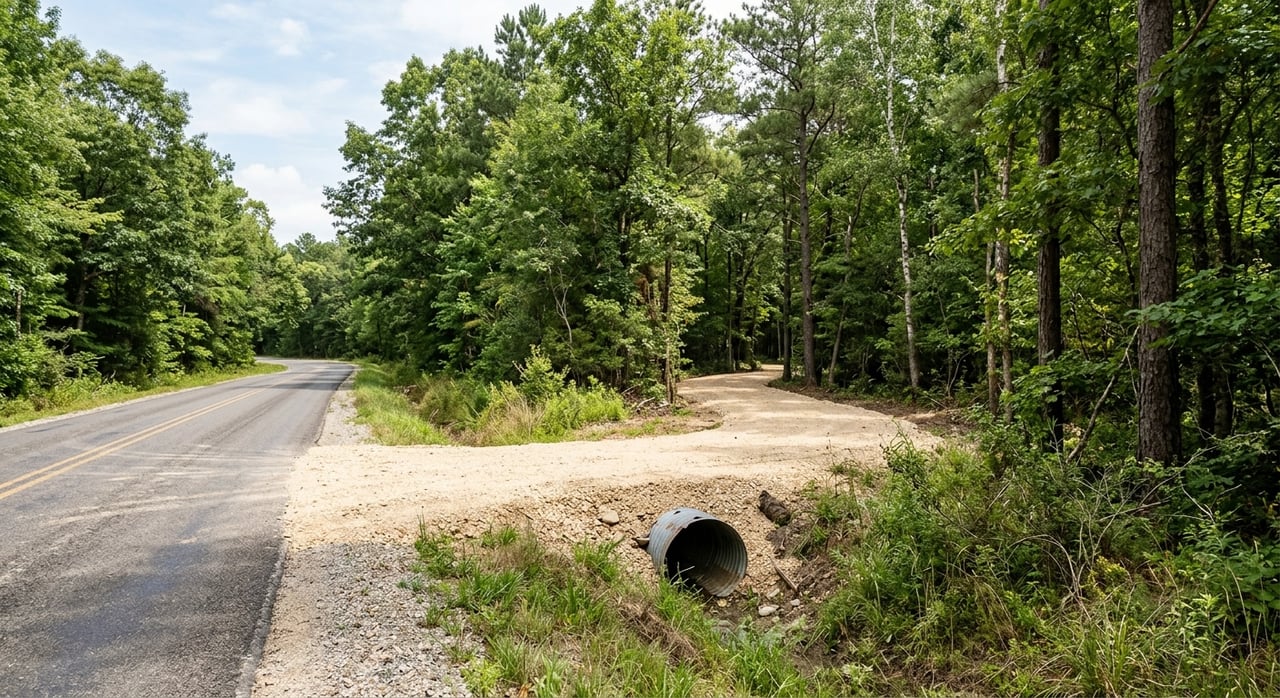
Your road frontage and entry make a strong first impression. That includes the mailbox, driveway entrance, tree cover, fencing, brush, and whether the property feels maintained and easy to approach.
Once buyers pull in, they are often looking for simple signs of usability. Can they see the house clearly, turn around easily, and understand how the home, yard, and outbuildings relate to each other?
Exterior prep checklist
- Mow and trim so the house and access path are visible from the road
- Clear brush along the driveway and around key structures
- Remove scrap metal, old tires, broken equipment, and other outdoor clutter
- Sweep porches and clean exterior surfaces where appropriate
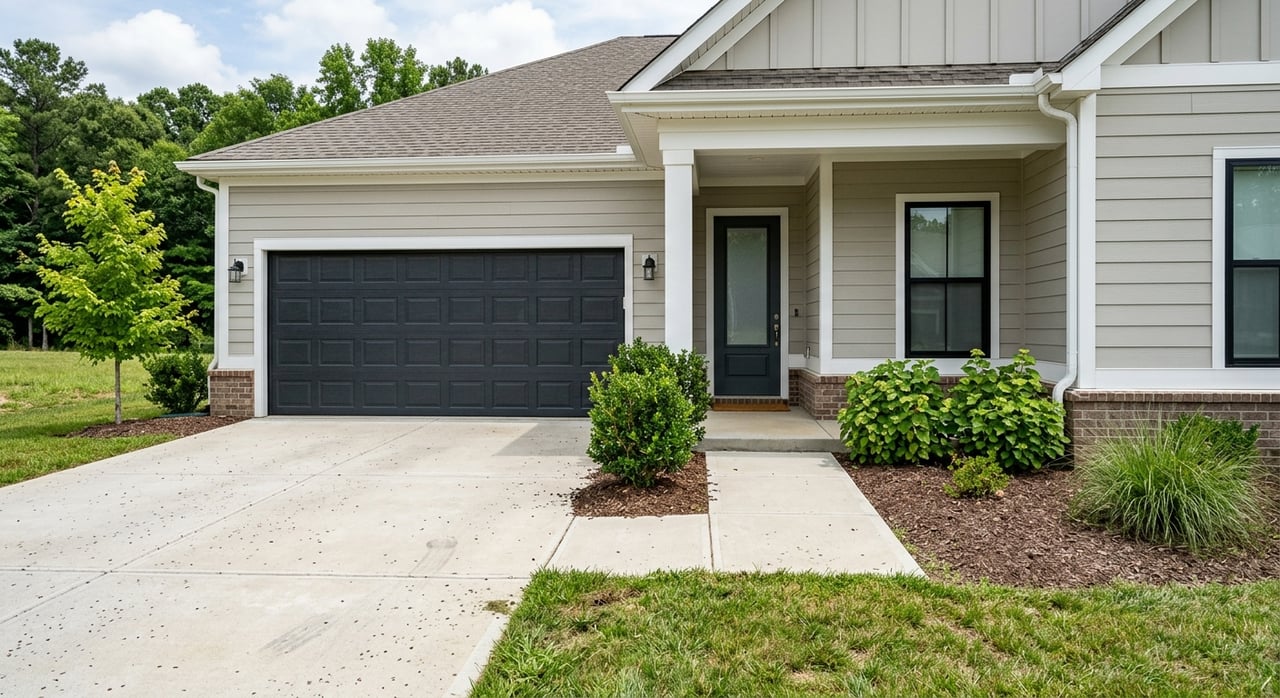
- Make the main entry look clean, open, and ready to use
- Open up sightlines so buyers can read the lot more easily
If you have acreage, this kind of cleanup helps buyers understand value faster. It also makes listing photos work much harder for you.
Make Driveways and Access Easy to Read
Access can be a much bigger issue in a rural sale than many sellers expect. If your home sits on a private road or uses a shared ingress and egress easement, buyers may want clear answers early.
King and Queen County notes that private subdivision streets are not maintained by VDOT or the county, and maintenance remains a private responsibility. That means your access situation is not just background paperwork. It is part of the property story.
Focus on practical access questions
Ask yourself what a first-time visitor would understand after one drive in. If the answer is “not much,” your prep work should start there.
Clear both sides of a long driveway so its width and condition are easy to see. Make turnarounds obvious, remove low branches where needed, and gather any documents that explain easements or private-road arrangements.
Clean Up Outbuildings and Utility Areas
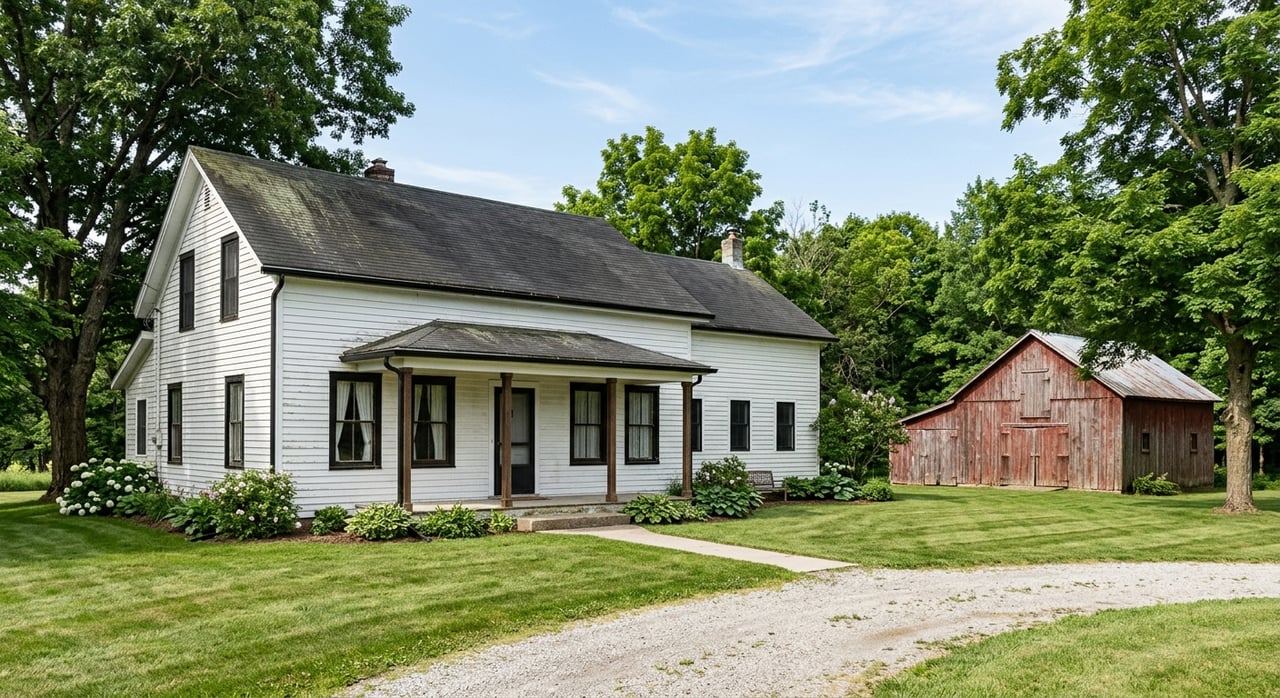
Barns, sheds, workshops, and other secondary structures can add value, but only if buyers can tell what they are for and what condition they are in. If an outbuilding feels unsafe, overcrowded, or confusing, buyers may treat it as a problem instead of a benefit.
The goal is not to make every outbuilding perfect. The goal is to make each one understandable.
Outbuilding prep checklist
- Decide how each structure should be presented
- Remove hazards and dispose of waste
- Corral chemicals, fuels, and loose materials
- Clear access paths and make doors easy to open
- Clean interior floors enough for a basic inspection
- Gather repair receipts or permit records if you have them
When buyers can quickly tell which building is storage, workshop space, hobby space, or simple utility space, they are more likely to see the property as functional and cared for.
Get Your Records in Order Early
Paperwork matters in any sale, but it matters even more on rural property. King and Queen County offers property tools such as GIS maps, property cards, and tax history, and the Circuit Court handles recorded deeds, deeds of trust, liens, and related land records.
That means buyers and agents may compare what is visible on site with what appears in county records. If there are inconsistencies, they can slow down pricing, marketing, and negotiations.
Documents worth gathering before listing
- GIS map and property card
- Survey or plat
- Deed references
- Recorded easements
- Septic records
- Well records or test results, if available
- Permit records for additions, decks, sheds, barns, or site work
- Floodplain letters or elevation documents, if applicable
- Receipts for major repairs such as roof, gutter, HVAC, septic, or well work
This prep helps you answer buyer questions faster. It also helps your listing present as more complete and more credible from day one.
Check Septic and Well Status Before You List
For many rural buyers, septic and well questions are just as important as square footage. If those systems feel uncertain, buyers may get cautious quickly.
Virginia Department of Health guidance says an average household septic system should be inspected at least every three years by a septic service professional. Alternative onsite sewage systems must be inspected at least annually by a licensed operator, and the log and operation and maintenance manual should stay with the property and transfer to the future owner.
Why early septic prep matters
VDH advises that septic inspections tied to a sale should happen as soon as possible, preferably several weeks before closing. Repairs can take time and may require permits and licensed professionals.
For sellers, that is a strong reason not to wait. If you handle septic questions before the home hits the market, you reduce the chance of last-minute surprises.
Well prep matters too
VDH says homeowners are responsible for testing their water, and annual testing is a good idea. The agency also notes that if water changes in taste, color, odor, or clarity, you should contact the local health department.
It also recommends protecting wells from runoff, fuels, pesticides, and animal waste. If you have an exposed well area or an abandoned well, those issues deserve attention before buyers walk the property.
Watch for Floodplain and Site-Work Issues
If your property includes low ground, drainage ditches, creeks, or land near navigable waterways, you should be ready for floodplain questions. King and Queen County’s building department keeps floodplain forms and FEMA elevation certificate instructions on its permit page, and county site-plan rules specifically flag floodplain overlay districts and development fronting navigable waterways.
This does not mean every rural property has a flood concern. It does mean sellers should know what paperwork exists and whether prior drainage or elevation work has been documented.
Be careful with pre-listing site work
If you plan to do grading, brush clearing, driveway work, or other site cleanup before listing, check whether a land-disturbance permit is needed. In King and Queen County, the Building Inspection page includes a land-disturbance permit application when the disturbance area is more than 2,500 square feet.
That is an easy detail to miss when you are trying to make a property show better. It is worth checking before heavy equipment shows up.
Organize Virginia Disclosure Forms Early
Virginia requires specific disclosure paperwork in residential sales, and rural properties may need added forms depending on site conditions. The state’s disclosure forms page says selling homeowners must complete the Residential Property Disclosures Acknowledgement Form, and buyers receive the Residential Property Disclosure Statement effective July 1, 2026.
The same page notes that sellers may also need forms such as a Flood Risk Information Form, Septic Waiver Disclosure Form, and Building Code Enforcement Action or Zoning Ordinance Violation Disclosure Form, depending on the property. If your home has septic, flood exposure, prior code issues, or a history of outbuilding work, it is smart to organize that packet early.
Use Photos to Explain the Property
Good rural marketing should help buyers understand the property before they ever arrive. National staging research shows photos are highly important, and that lines up with what works in acreage listings.
For a rural home, interior photos alone are not enough. Buyers also need clear visuals that explain access, land use, layout, and improvements.
Most helpful rural listing photos
- Road approach and driveway entrance
- Front of the home from a wider angle
- Each outbuilding from multiple views
- Open areas, woods, trails, or pasture
- Fences, gates, wells, and utility areas
- Images that show how structures sit on the parcel
In many cases, county GIS and property-card tools can help support that visual story. When buyers can understand the layout quickly, they are more likely to see the property’s full potential.
A Simple King and Queen Prep Plan
If you are feeling overwhelmed, keep it simple. In this market, the highest-value prep work usually falls into five categories.
Focus here first
- Clean up the full exterior, not just the front porch
- Make access and driveway conditions easy to understand
- Organize outbuildings and utility areas
- Confirm well, septic, and flood-related records
- Gather county and state paperwork before photography and pricing
That is the practical side of getting market-ready in King and Queen County. When the house, land, access, and records all tell the same story, buyers have an easier time saying yes.
If you want help figuring out which updates matter most before you list, David Berberich can help you build a practical plan for your property, your timeline, and your goals.
FAQs
What makes a rural home sale different in King and Queen County?
- Buyers often evaluate the house together with the driveway, acreage, outbuildings, septic, well setup, and access documents, not just the interior.
What records should you gather before listing a King and Queen County rural home?
- Start with the GIS map, property card, survey or plat, deed references, easements, septic and well records, permit records, and any floodplain or drainage documents.
Should you inspect the septic system before selling a rural home in Virginia?
- Yes. VDH recommends septic inspections happen as soon as possible in a sale process because repairs can take time and may require permits and licensed professionals.
What should you clean up outside before listing acreage in King and Queen County?
- Focus on mowing, brush trimming, driveway visibility, porch cleanup, outdoor clutter removal, and making outbuildings safe and easy to inspect.
When do site-work permits matter for pre-listing cleanup in King and Queen County?
- If planned work disturbs more than 2,500 square feet, the county’s Building Inspection page includes a land-disturbance permit application that may apply.