Thinking about buying hunting or recreational land in King and Queen County? A beautiful tract on paper can be very different from a property that actually works for hunting, trail riding, or a future cabin. If you want to avoid expensive surprises, it helps to know what to check before you buy. Let’s dive in.
Why King and Queen County Draws Land Buyers
King and Queen County has the rural character many land buyers are looking for. USDA’s 2022 County Profile reports 110 farms and 50,027 acres in farms, with an average farm size of 455 acres. The same profile notes 11,551 woodland acres in farms, which helps explain why the county appeals to buyers looking for space, woods, and working land.
The county’s land-use framework also reflects that rural focus. Its zoning ordinance is intended to preserve agricultural and forested lands and protect surface and groundwater. For you as a buyer, that means the setting can be a major draw, but it also means land use and improvements may be more regulated than you expect.
Start With Access and Boundaries
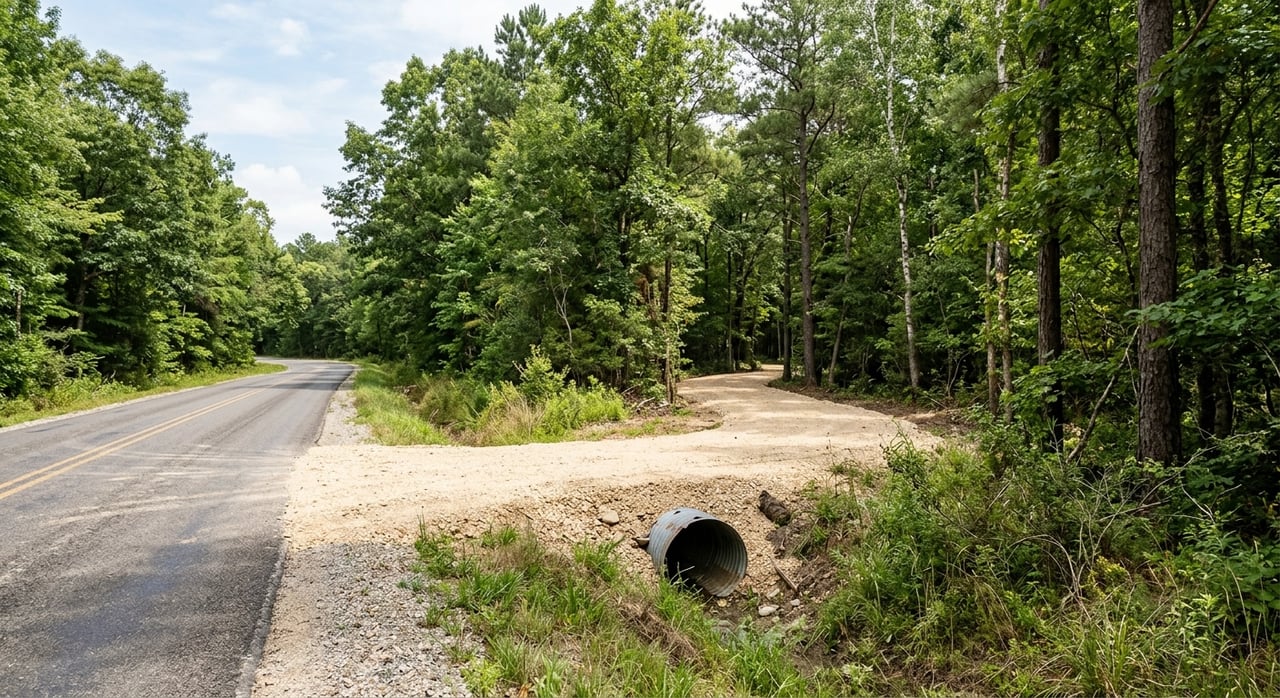
One of the biggest mistakes land buyers make is assuming access is simple. Before you fall in love with a parcel, confirm that it has legal access, usable road frontage, and a practical way to reach the interior of the property by vehicle. A tract that looks great from the road may still have access issues that affect how you use it.
If the entrance connects to a state-maintained road, VDOT land use permit rules may come into play. King and Queen County also notes that driveway approval is needed for residential projects entering from a state road. If you may someday add a cabin, house, or even a more formal entrance, this is worth checking early.
Boundary clarity matters too. The county’s zoning code allows the zoning administrator to require a boundary survey and staking by a competent surveyor. In practical terms, that makes survey and title review an important part of any serious acreage purchase.
Questions to ask about access
- Does the parcel have legal, year-round access?
- Is the road frontage confirmed by deed and survey?
- Will a VDOT entrance or land use permit be required?
- Can vehicles realistically reach the usable parts of the tract?
- Are there any shared access easements or recorded restrictions?
Check Wetlands, Floodplain, and Buffers Early
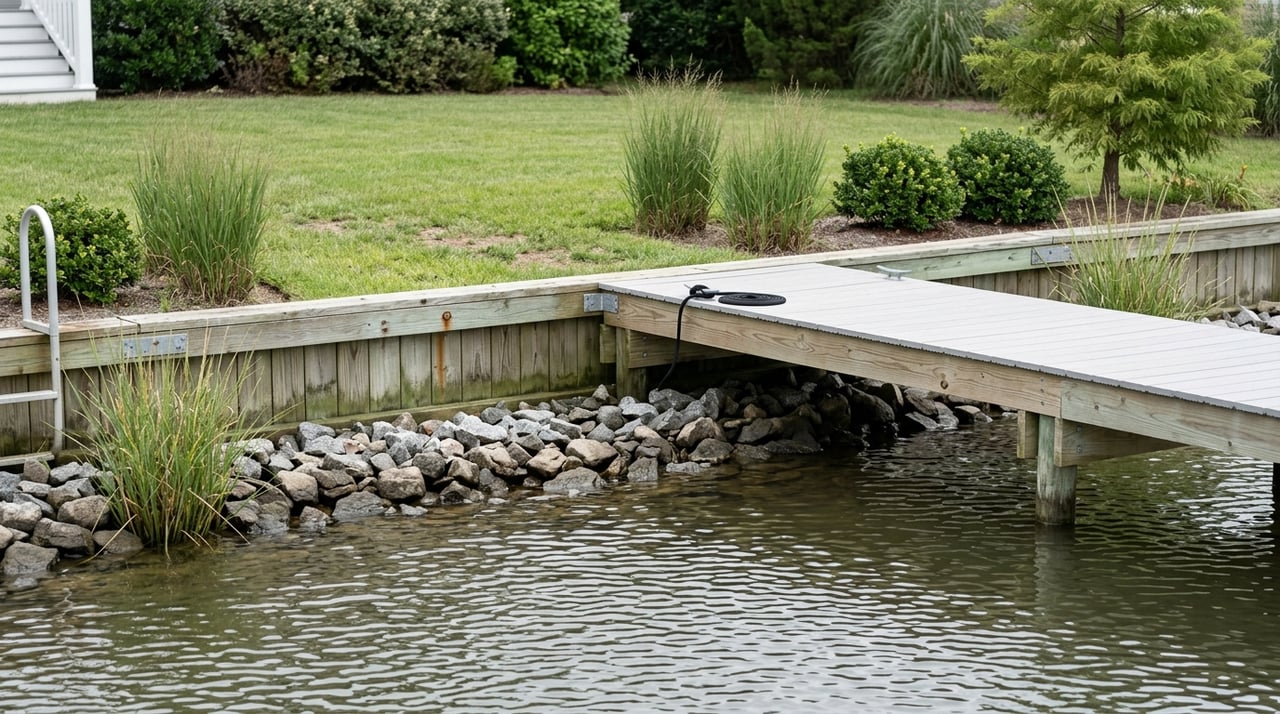
In King and Queen County, water features can add appeal, but they can also limit what you can do with the land. Waterfront areas, streams, wetlands, and low-lying ground may trigger added review. If your plans include trails, food plots, road work, a shooting lane, or a future cabin site, these details matter.
The county says land disturbance in the Resource Management Area over 2,500 square feet requires a permit. Outside the RMA, disturbance over 10,000 square feet requires a permit. Those thresholds can affect even modest improvement plans, so it is smart to ask questions before closing rather than after.
The county also says a 100-foot Resource Protection Area may apply near wetlands, streams, or other water bodies. Within that buffer, no construction, equipment storage, or materials are allowed. That can change where you place a driveway, stand area, or future building site.
County site-plan rules also call for review for development in the floodplain overlay district, development fronting a navigable waterway, and substantial disturbance in Chesapeake Bay preservation areas. In short, the presence of water is not just a feature. It is a planning issue you need to understand.
Why this matters for recreational land
A property can have plenty of acreage and still offer less usable ground than you expect. Wet areas, buffers, and floodplain constraints can narrow your options for:
- Cabin or home placement
- Driveway and road layout
- Stream crossings
- Food plots
- Trail systems
- Equipment access
Confirm Septic and Well Feasibility
If there is any chance you want a cabin, hunting camp, or future home on the property, do not assume it will support one. In rural counties, septic and well feasibility can be a make-or-break issue. This is especially true when a parcel is marketed mainly for recreation, not residential use.
King and Queen County says residential applicants should provide Virginia Department of Health septic approval or Safe, Adequate and Proper documentation. VDH oversees private wells and onsite sewage systems. That means your future plans may depend on approvals that are not guaranteed just because the land is available for sale.
The county planning office also maintains forms for RPA plats, RPA exceptions, conditional use permits, variances, and subdivision work. Even raw land can involve several layers of review. If your long-term goal includes improvements, it is wise to investigate those paths before you buy.
Understand Hunting Rules Before You Commit
If you are buying mainly for hunting, local rules deserve extra attention. In King and Queen County, there is a county ordinance making it unlawful to hunt with a rifle larger than .22 caliber. There are exceptions for larger rifles used for groundhogs and coyotes outside the general firearms season, and muzzleloading rifles are allowed during authorized firearms seasons for game animals except spring gobbler turkey hunting.
For deer hunters, that local caliber rule is one of the first things to verify. It can directly affect how you plan to use the property and whether the tract fits your hunting style. A buyer who overlooks this may end up with land that does not match their expectations.
Season dates also deserve a fresh look every year. Virginia DWR lists King and Queen County in county-specific season tables for deer and turkey, so it is best to check the current county tables rather than assume statewide dates apply the same way.
Hunting and recreation details to verify
- Current county-specific deer and turkey season tables
- The county rifle ordinance
- Whether your intended hunting methods fit local rules
- Landowner permission requirements for private-land hunting
- ATV consent rules if anyone else will use the property
Know the Rules on Permission, Baiting, and Scouting
Private-land hunting in Virginia requires the landowner’s permission. DWR states that unposted property cannot be hunted without permission, and the agency also notes that landowners may lease land for hunting. If you are buying with family, friends, or future guests in mind, this is part of responsible property use.
DWR also separates bona fide agronomic plantings, including wildlife food plots, from baiting, but baiting and feeding rules are strict. That distinction matters if your vision for the property includes habitat work or game management. You want to know where acceptable land improvement ends and a rule violation begins.
There are other practical details to keep in mind. DWR prohibits natural deer urine scents and lures, and a hunter cannot hunt or assist with hunting on the same property the same day a drone was used to locate or scout wildlife. For multi-use land, DWR also says ATVs on another person’s property require written consent.
Use County Tools Before You Offer
One of the best things about buying land in King and Queen County is that the county provides parcel-level research tools. The county offers GIS mapping, property cards, and tax inquiry tools. These can help you compare acreage, parcel layout, and tax history before you commit.
The planning department administers land-use policy through the comprehensive plan, zoning and subdivision ordinances, and GIS. That makes county offices a key part of your due diligence process. Instead of guessing what a tract can support, you can ask direct questions based on the parcel number and your intended use.
Offices and resources to check
- Planning and Zoning / GIS for zoning district, allowed uses, subdivision rules, variances, and mapping
- Environmental Programs for wetlands, tidal wetlands, RPA questions, land disturbance, and Joint Permit Applications
- VDH Environmental Health for septic and well feasibility
- VDOT for entrances or roadwork affecting a state-maintained road
- Property and tax tools for GIS mapping, property cards, and tax history
A Smart Buyer Checklist
If you want a practical way to evaluate recreational or hunting land in King and Queen County, start here.
Before you buy, make sure you:
- Pull the parcel in county GIS and compare it to the deed and tax card.
- Confirm legal, year-round access to the property.
- Ask whether a VDOT entrance or land use permit will be needed.
- Verify the zoning district and whether your intended use is allowed by right.
- Check for floodplain, wetlands, streams, and Chesapeake Bay area constraints.
- Ask whether a Resource Protection Area or Resource Management Area affects the tract.
- Verify septic and well feasibility if a cabin or home is part of your plan.
- Review the county rifle ordinance and current DWR season tables.
- Consider survey and title review early if boundaries are not crystal clear.
The Bottom Line on Buying Land Here
Buying recreational or hunting land in King and Queen County can be a great move if you go in with clear eyes. The county’s rural landscape, farm acreage, and woodland character make it appealing, but the details matter. Access, boundaries, wetlands, floodplain issues, septic feasibility, and local hunting rules can all shape whether a parcel works in real life.
That is where practical guidance makes a difference. When you understand how a tract functions, not just how it looks in a listing, you can make a more confident decision and avoid costly surprises later.
If you are weighing acreage in King and Queen County and want a practical second opinion, reach out to David Berberich for straightforward guidance on land, access, and site-feasibility questions.
FAQs
What should you check first when buying hunting land in King and Queen County?
- Start with legal access, road frontage, boundary clarity, zoning, and whether wetlands or floodplain issues limit how you can use the property.
What hunting rule matters most for deer hunters in King and Queen County?
- King and Queen County has a local ordinance that makes it unlawful to hunt with a rifle larger than .22 caliber, with limited exceptions, so buyers should verify how that affects their hunting plans.
What permits can affect recreational land in King and Queen County?
- Depending on the parcel, you may need review or permits related to VDOT access, land disturbance, Chesapeake Bay preservation areas, wetlands, floodplain development, or future building plans.
Why should you verify septic and well feasibility on land in King and Queen County?
- If you may want a cabin, hunting camp, or future home, septic and well feasibility can determine whether the property can support those improvements.
Where can you research parcel details in King and Queen County before buying land?
- You can use the county’s GIS mapping, property cards, and tax inquiry tools, and you can also confirm zoning and environmental questions with the county’s planning and environmental offices.