Buying your first home in Essex County can feel simple at first, then suddenly very specific. One house may be in town with public water and sewer, while the next may sit on rural land with a private well, septic system, and flood-map questions. If you want to buy with confidence, it helps to understand how Essex County works before you start touring homes. Let’s dive in.
Why Essex County Feels Different
Essex County is a rural market with a smaller population and lower housing density than many parts of Virginia. The county has 10,654 residents, 5,907 housing units, and 41.2 people per square mile, according to the U.S. Census Bureau. The owner-occupied housing rate is 71.7%, and the median value of owner-occupied homes is $238,100.
That home value sits below Virginia’s statewide median owner-occupied value of $383,700. For first-time buyers, that may open the door to more options than you might expect in other parts of the state. At the same time, the search process often requires more local due diligence because property types can vary so much from one area to another.
Essex County describes Tappahannock as its principal town. The county also notes that Richmond is about 45 miles away, I-95 is about 47 miles away via Exit 12, and Fredericksburg is within about an hour’s drive. Tappahannock sits at the crossroads of U.S. Routes 17 and 360 along the Rappahannock River.
That location matters because commuting here is often car-based. The county’s mean travel time to work is 38.5 minutes, compared with 27.3 minutes statewide. In practical terms, you should pay close attention to drive times, road access, and how often you expect to leave home for work, errands, or appointments.
Start With Your Budget
One of the biggest first-time buyer myths is that you need 20% down to get started. In Essex County, that is often not the case. Your better first step is to figure out which financing options may fit your income, your savings, and the kind of property you want to buy.
Virginia Housing is a strong starting point for many first-time buyers in Virginia. It offers free homebuyer education in person, virtually, and online, and the online class takes about eight hours on average. Virginia Housing also says homebuyer education is required if you use a Virginia Housing home loan.
Virginia Housing’s Down Payment Assistance Grant may also help qualified first-time buyers. This is a true grant, which means it does not have to be repaid. It must be paired with an eligible Virginia Housing bond FHA or conventional loan and must meet Virginia Housing income and sales-price or loan limits.
Another option is the FirstHome Dream program for qualified first-generation homeowners. Virginia Housing says buyers must have never owned a home, and their parents must not have owned a home within the last three years. The program provides an interest rate two percentage points below Virginia Housing’s posted rate.
USDA Loans Matter Here
Because Essex County is rural, USDA financing can be especially relevant. USDA Rural Development says its Section 502 Guaranteed Loan Program offers 100% financing for eligible rural buyers. The program may be used for new or existing homes and is offered as a 30-year fixed-rate loan.
USDA also says there are no set acreage limits under the program. Buyers generally must meet income eligibility, which cannot exceed 115% of area median income, and the home must be in an eligible rural area. For some first-time buyers, this can be the option that turns homeownership from a long-term goal into a near-term plan.
Match Financing to Property Type
In Essex County, the right loan and the right property often go hand in hand. A home in Tappahannock may come with different utility and inspection questions than a home on acreage or near the water. That is why it helps to think about both your financing and your property type at the same time.
As you build your roadmap, ask a few simple questions early:
- Does the property fit Virginia Housing or USDA eligibility?
- Do you qualify for down payment help or homebuyer education programs?
- Is the home in town, on rural land, or near the river?
- Will the property require extra review for utilities, zoning, or flood risk?
Tappahannock vs. Rural Essex
One of the biggest differences for buyers in Essex County is the split between town living and rural living. These homes can look similar in price online, but the ownership experience may be very different. Knowing that upfront can save you time, money, and frustration.
Tappahannock Utilities
The county comprehensive plan says public water and sewer facilities are located in the Town of Tappahannock. It also states that Tappahannock currently provides the only public water system in Essex County. That can make town properties more straightforward from a utility standpoint.
Tappahannock’s water and sewer information also notes that utility connection inspections require 24 hours’ notice. That is a small detail, but it is the kind of local step that can affect move-in timing. If you are buying in town, utility coordination should be part of your closing checklist.
Rural Utilities
Outside town, private wells and septic systems are common. In Essex County, you should treat that as a normal part of buying, not as an unusual complication. It simply means you will want to understand the property systems before you close.
The Virginia Department of Health says the local health department is the place to start for private well questions. It also says VDH does not test private wells, that newly constructed wells must be tested for bacteria before use, and that prospective buyers should test existing private wells. VDH recommends annual testing for bacteria and nitrate.
Zoning and Land Rules
If you are looking at acreage, a mini-farm setup, or a home with extra land, zoning matters. Essex County says land is zoned in Agriculture, Conservation, Residential, Business, and Industrial categories. The zoning ordinance controls permitted uses, uses that need special approval, and required setbacks from property lines.
This is one reason Essex County is not a market where you want to make assumptions about land use. If you want room for a specific use or long-term flexibility, you should confirm the zoning details before you move forward. A property that looks perfect on paper may come with rules that shape what you can do with it.
For larger parcels, acreage thresholds also matter. Essex County says agricultural and horticultural land use requires at least 5 acres. Forest use requires 20 acres, and open-space use also requires 20 acres plus an agreement.
The county’s GIS system can help with early research. Essex County says it provides parcel boundaries, ownership, zoning, and flood mapping. For first-time buyers, that makes it a useful tool when you want a clearer picture of a property before making an offer.
Flood Risk Deserves Early Attention
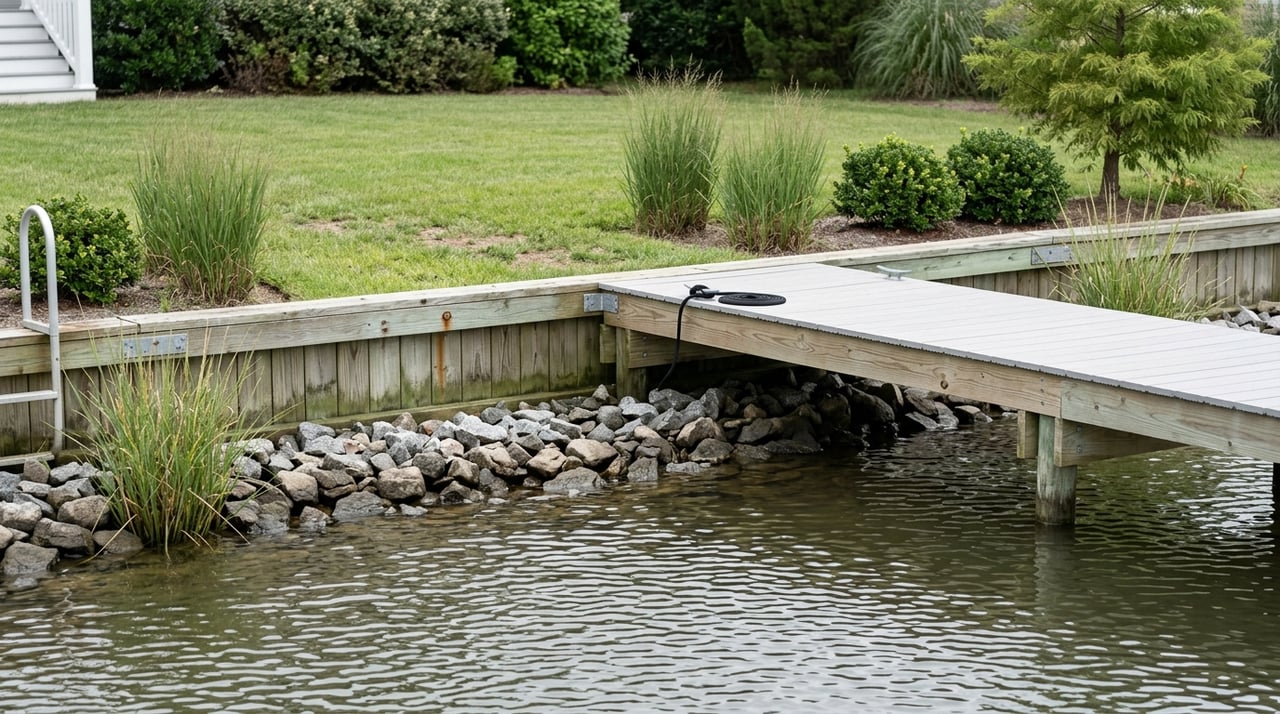
Because Essex County is tied closely to the Rappahannock River, creeks, and drainage areas, flood risk should be part of your search from day one. This is especially important for waterfront, river-adjacent, or low-lying properties. Waiting until late in the process can create avoidable surprises.
Essex County says any development in a floodplain requires a Floodplain Development Permit and a survey showing the floodplain area. The county also points buyers to FEMA’s Flood Map Service Center as the official public source for flood hazard information. Before you make an offer on a riverfront or lower-lying property, reviewing flood maps should be part of your standard due diligence.
Build a Smart Due-Diligence Timeline
Once you choose a home, timing matters. A home inspection is not something you want to leave to the last minute. The sooner you schedule it, the more room you have to understand issues, request repairs, or adjust your plan.
Consumer guidance from the CFPB says a buyer may be able to renegotiate or cancel the sale if the contract is contingent on a satisfactory inspection. The CFPB also notes that major repairs can affect closing if a lender requires repairs to be completed before the loan is finalized. That is one more reason to move quickly once you are under contract.
In Essex County, your inspection and due-diligence process should reflect the property itself. A straightforward in-town purchase may focus more on condition, financing, and utility coordination. A rural or waterfront property may require a wider checklist.
Essex County Buyer Checklist
Use this as a simple first-time buyer roadmap once you go under contract:
- Confirm whether the property is in Tappahannock or rural Essex County
- Verify whether the home uses public water and sewer or a private well and septic system
- Review zoning and setback rules if the property has land or unusual features
- Check parcel information and flood mapping through the county GIS system
- Review flood hazard information for waterfront or low-lying properties
- Plan for any town utility connection steps if the home is in Tappahannock
- Schedule your inspection as early as possible
Know What Happens Before Closing
Closing is the final step, but it should never feel rushed. The CFPB says the Closing Disclosure must be delivered at least three business days before closing. That gives you time to review your loan terms, closing costs, and any changes from your earlier loan estimate.
This review window matters for first-time buyers because it gives you a final chance to ask questions before signing. If something looks different than expected, you want time to sort it out. A smooth closing usually starts with a careful review, not a fast signature.
Why Local Guidance Helps in Essex County
First-time homebuying in Essex County is less about finding a generic starter home and more about matching the right property to the right lifestyle. You may be balancing commute time, financing options, utility setup, acreage goals, or flood-map concerns all at once. That mix is exactly why local guidance can make the process feel more manageable.
At BERB Real Estate Partners, we believe your first purchase should come with clear answers and practical advice. Essex County has real opportunity for first-time buyers, but the details matter. When you understand those details early, you can shop smarter and move forward with confidence.
If you are ready to map out your first purchase in Essex County, connect with David Berberich for practical, responsive guidance tailored to your goals.
FAQs
What makes first-time homebuying in Essex County different?
- Essex County is more rural than many Virginia markets, so buyers often need to pay close attention to commute times, private wells and septic systems, zoning rules, acreage use, and flood mapping.
What first-time homebuyer programs may help in Essex County, Virginia?
- Virginia Housing offers homebuyer education, down payment assistance for qualified buyers, and programs such as FirstHome Dream, while USDA Rural Development may offer 100% financing for eligible rural buyers.
Do you need 20% down to buy a first home in Essex County?
- No. Some buyers may qualify for lower-down-payment options through Virginia Housing, and eligible USDA loans can offer 100% financing.
What utility questions should Essex County homebuyers ask?
- You should confirm whether the home uses Tappahannock public water and sewer or a private well and septic system, since that can affect inspections, maintenance, and move-in planning.
Why should Essex County buyers check zoning before making an offer?
- Zoning rules in Essex County affect permitted land uses, setbacks, and whether certain uses need special approval, which is especially important for buyers considering acreage or long-term land flexibility.
When should first-time buyers review flood risk in Essex County?
- You should review flood risk early in the search and before making an offer, especially for homes near the Rappahannock River, creeks, or other low-lying areas.
What should first-time buyers review before closing on an Essex County home?
- You should review your Closing Disclosure at least three business days before closing, confirm inspection results, and double-check local items such as utilities, zoning, and flood-map status where relevant.